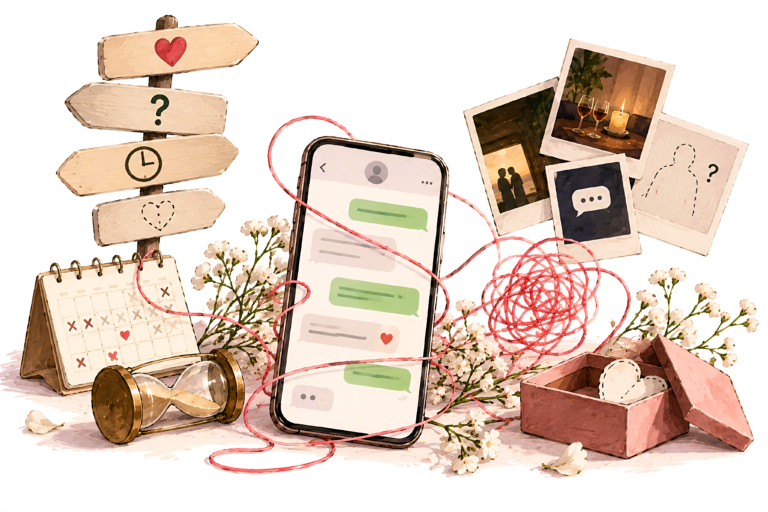
A few months ago, sex was something I actually thought about. I had fantasies, wanted intimacy, felt attracted to my partner, and sometimes wanted sex for no particular reason at all. Now it feels like someone switched that part of me off. I can love my partner and still not want to be touched. I can know that I used to enjoy sex and feel absolutely nothing when I think about it. The sudden change is what scares me.

A lower sex drive isn’t automatically a problem. Desire naturally changes throughout life, and there isn’t one “correct” amount of sexual interest.
But when your libido suddenly changes from what is normal for you, it’s worth paying attention to what else has changed.
Start With What Changed Around the Same Time
Think back to when you first noticed the difference.
Were you sleeping badly? Under a lot of pressure? Going through a difficult period at work or in your relationship? Feeling anxious, low or completely exhausted?
Stress can affect sexual desire even when you don’t consciously feel stressed every minute of the day. Depression and anxiety can also reduce interest in sex. Sometimes your body simply has very little room left for sexual desire when most of your energy is going toward getting through the day.
Sometimes Your Body Is Part of the Story
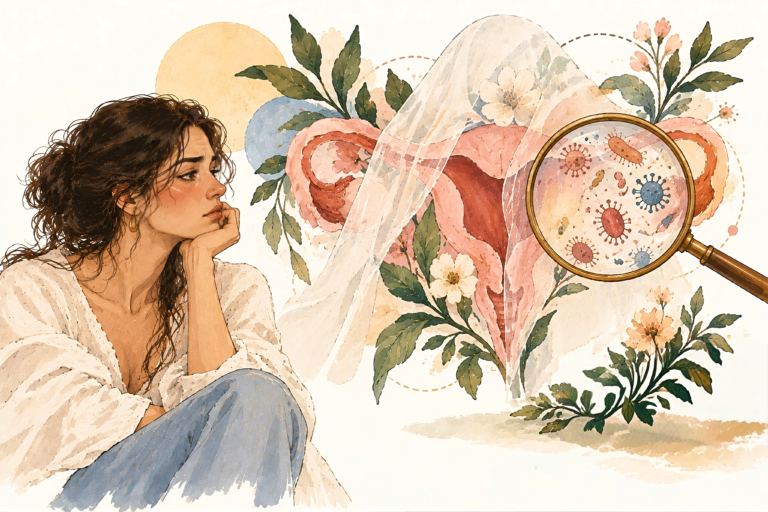
A sudden drop in desire can also happen alongside physical changes.
Hormonal shifts related to pregnancy, breastfeeding, perimenopause or menopause can affect libido. Vaginal dryness or pain can make sex uncomfortable, which can gradually make your brain associate sex with something you’d rather avoid. Certain health conditions, including thyroid problems and diabetes, can also affect sexual desire.

You don’t need to assume that hormones are the answer just because your libido changed.
The timing of other physical symptoms can provide much more useful information.
Check Your Medication and Birth Control Too
This is easy to overlook. Some antidepressants, blood-pressure medicines and other medications can affect sexual desire. Hormonal contraception can also affect libido for some people.
If your sex drive disappeared after starting, stopping or changing a medication or contraceptive, mention the timing to your healthcare professional.
Don’t stop a prescribed medication on your own just because you suspect it’s responsible. There may be another option that works better for you.
What If I Still Love My Partner?
A disappearing sex drive doesn’t automatically mean you’ve stopped loving your partner.
You can feel emotionally close to someone and still have no interest in sex. At the same time, unresolved resentment, repeated arguments, lack of emotional connection, feeling pressured, or relationship problems can affect desire too.

Sometimes the question isn’t “Why don’t I want sex?”
It’s “How have I been feeling about my life, my body, my relationship and myself lately?”
That question can lead somewhere much more useful.
When Should I Get It Checked?
If the change worries you, lasts, keeps returning, or is affecting your relationship or well-being, it’s reasonable to talk to a doctor or gynecologist. You don’t need to wait until your libido disappears completely.
Tell them when the change started and whether you’ve also noticed things like vaginal dryness, pain during sex, changes in your periods, fatigue, mood changes or other new symptoms.
A healthcare professional may review your medications and health history and decide whether further evaluation or testing makes sense.
You haven’t necessarily “lost” your sexuality. Your body may be responding to something that changed. Instead of forcing yourself to feel desire again, start by figuring out what changed around you and inside you when the desire disappeared.