I can go to the bathroom and feel relieved for a few minutes, then the urge comes back. Sometimes hardly anything comes out. Other times I actually need to pee, but the constant feeling makes me wonder whether something is wrong with my bladder.
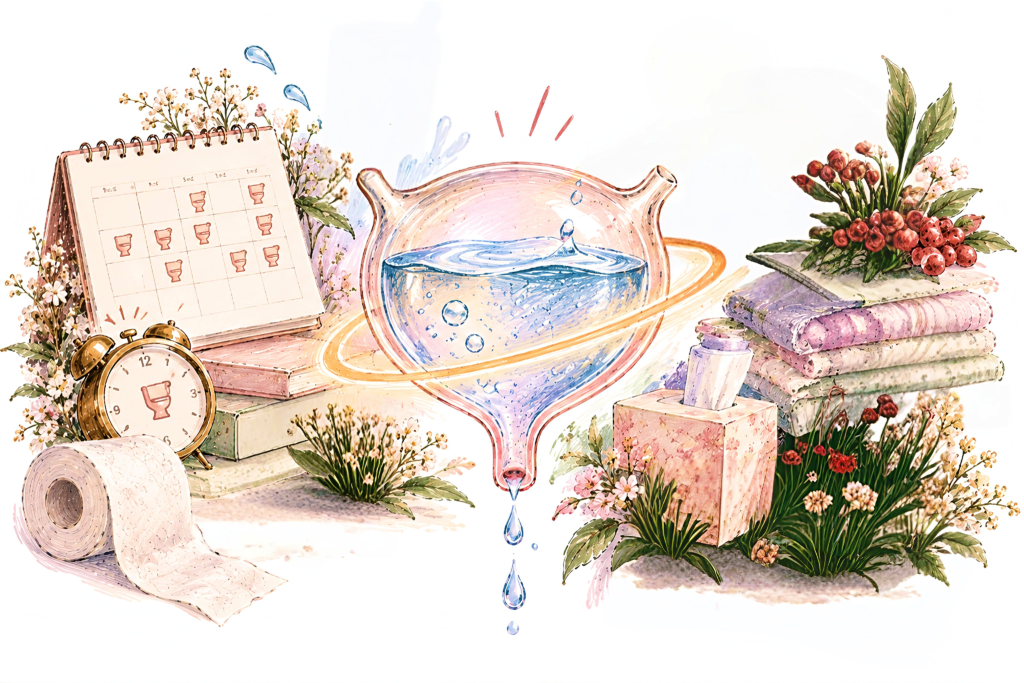
That feeling has a name: urinary urgency. When you also pee more often than usual, it is urinary frequency. The two can happen together, but they don’t always point to the same cause.
A UTI Is One Possibility
A urinary tract infection can make you feel like you need to pee constantly, even when your bladder contains very little urine. Burning when you pee, lower abdominal discomfort, cloudy or strong-smelling urine, and sometimes blood can appear too.
If the urge started suddenly, especially with burning or pelvic discomfort, a UTI is worth considering. A urine test can help determine whether an infection is actually present rather than guessing from symptoms alone.
You Might Be Producing More Urine
Sometimes the bladder isn’t sending false alarms. Your body is simply making more urine.
A lot of water, caffeine, certain medications, and alcohol can increase how often you need to go. Caffeine can also irritate the bladder in some people, making urgency more noticeable.
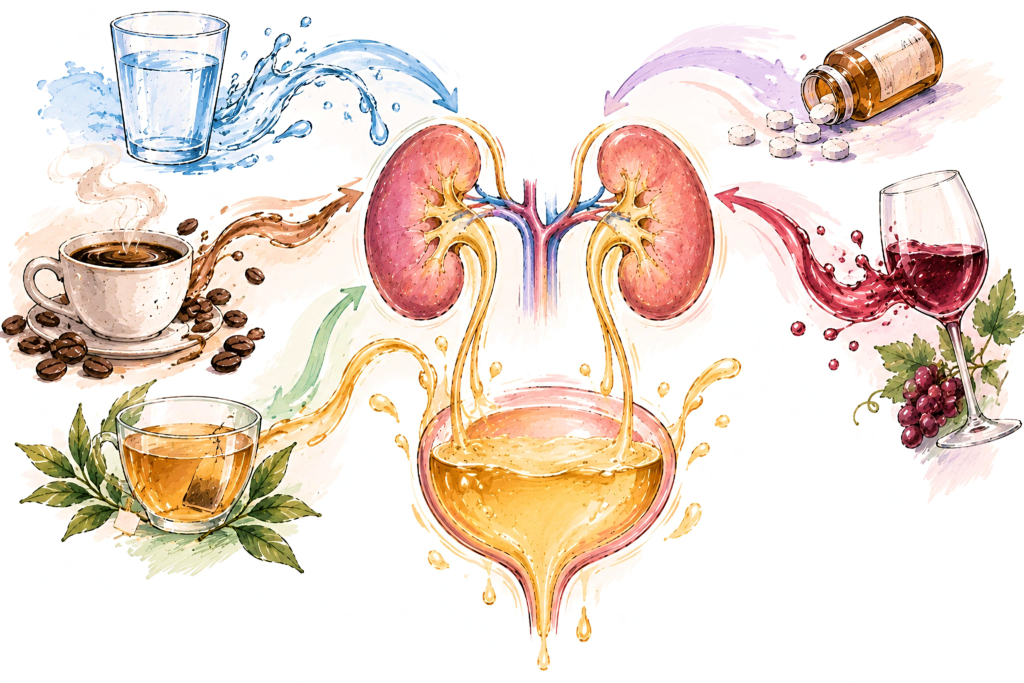
Pay attention to what happens on the days when the feeling is strongest. If you’re drinking several cups of coffee or tea, constantly sipping fluids, or taking a medicine that affects urination, that detail matters.
Your Bladder Can Become Sensitive
Overactive bladder can cause a sudden, difficult-to-ignore urge to urinate, sometimes with only a small amount of urine coming out. Other bladder conditions can create similar symptoms.
There is also a condition called interstitial cystitis, which can cause persistent urgency, frequent urination and pelvic or bladder discomfort. Its symptoms may flare around menstruation, stress, certain foods, exercise or sexual activity.
Persistent symptoms deserve a proper evaluation rather than endless guessing.
Notice What Comes With the Urge
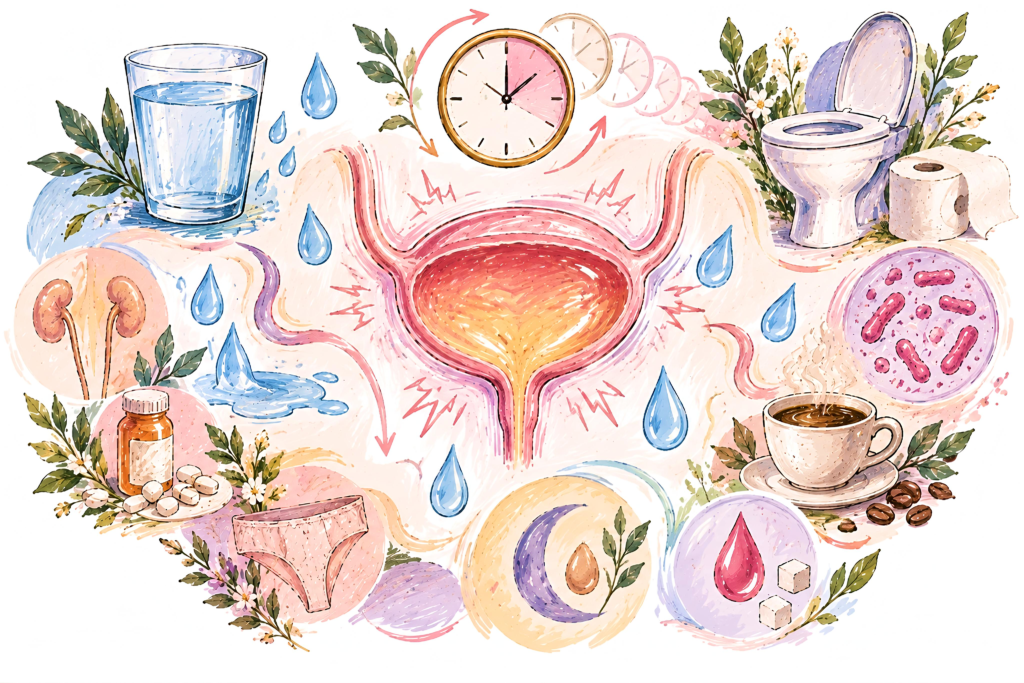
The details can tell you much more than the urge itself.
Are you actually passing large amounts of urine each time, or just a few drops? Is there burning? Pelvic pressure? Leaking? Blood? A strong smell? Are you waking repeatedly during the night?
Increased urination can also occur with conditions such as diabetes, so frequent urination that continues without an obvious explanation is worth discussing with a healthcare professional.
Keeping a simple note for a couple of days; when you drink, when you pee, approximately how much comes out, and what symptoms you notice can make the pattern easier to explain.
When Should I Get It Checked?
Don’t ignore persistent urinary urgency just because it isn’t painful.
A clinician can take your symptoms, examine you if needed, and decide whether you need a urine test or other testing. Seek prompt medical care if you have fever or chills, nausea or vomiting, blood in your urine, or pain in your back, side or groin, because these can occur with a kidney infection.
For now, stay normally hydrated rather than drastically restricting water to avoid the bathroom. You can also try reducing caffeine and other drinks that seem to trigger urgency.
Needing to pee constantly is not something you simply have to live with. Sometimes the explanation is straightforward, such as a bladder infection or a drinking habit. Other times the bladder itself needs attention. The important part is noticing the pattern instead of repeatedly wondering whether you’re imagining it.