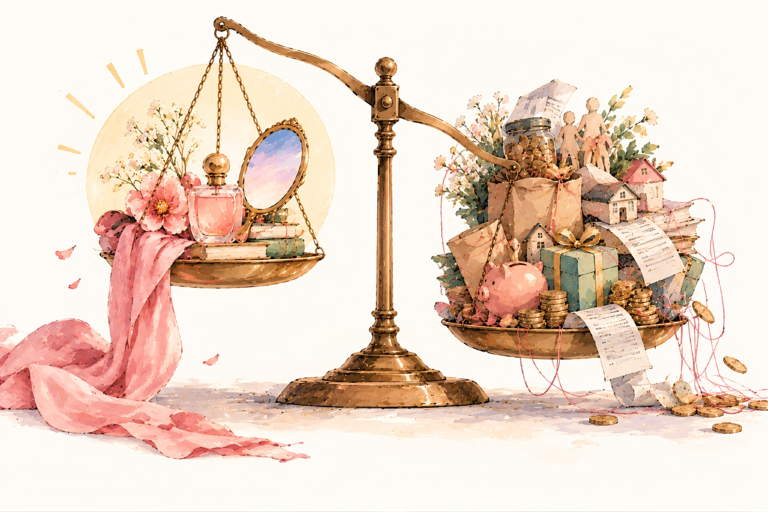
After getting paid, I pay the important bills, buy what I need, and, by the end of the month, I’m left staring at my bank balance, wondering where everything went. I didn’t buy a car. I didn’t book an expensive holiday. I don’t even feel like I shop that much. So why does my money disappear?
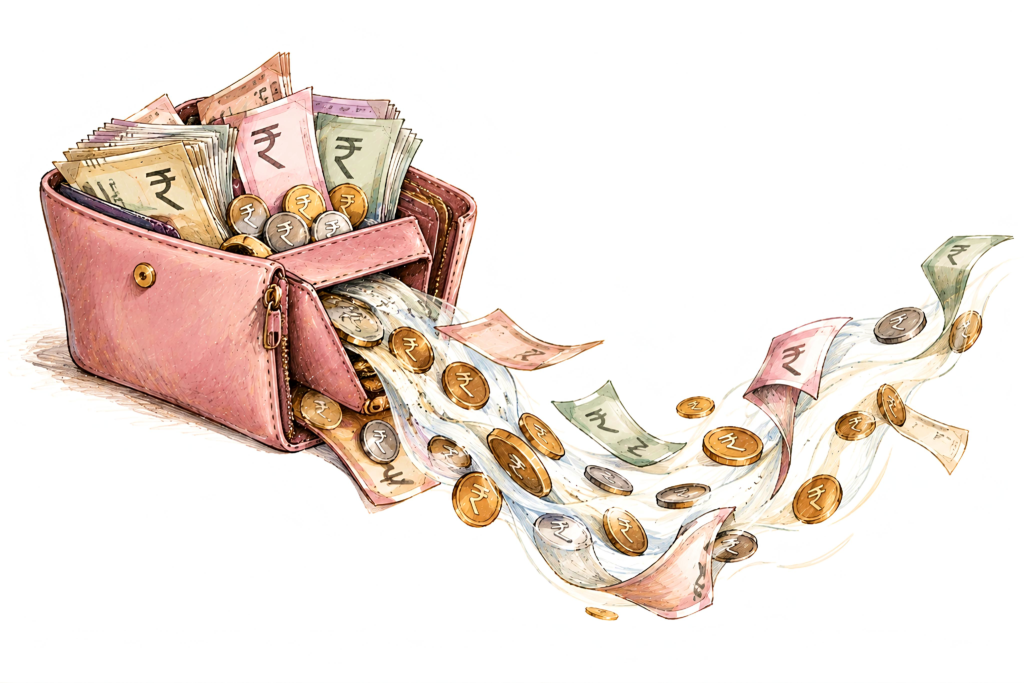
It can feel like you’re doing something wrong without knowing what it is. Often, the problem isn’t one huge purchase.
It is the collection of ordinary expenses that are easy to overlook.
Where Is My Money Actually Going?
Start with the least exciting thing possible: look at your transactions.
For one month, write down everything you spend, including bills, groceries, transport, subscriptions, takeout, small online purchases, fees, gifts, and “it’s only a few dollars” expenses.
Spending trackers are useful because small purchases can add up in ways that aren’t obvious when you look at them individually. Track your spending for a month.
Don’t judge yourself while doing this. You’re collecting information, not building a case against yourself.
Am I Underestimating Small Expenses?
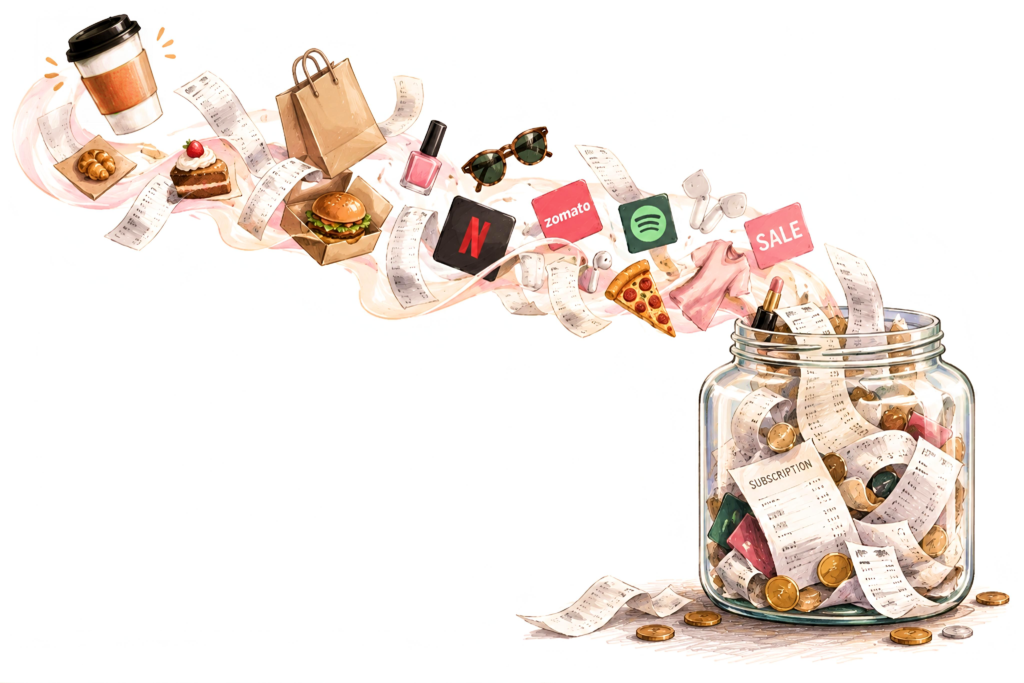
A coffee here, delivery there, a quick purchase because something is on sale, another subscription you forgot about, it rarely feels like a financial decision.
But ten small purchases can quietly become a significant amount.
Look at your bank statement and circle anything you barely remember buying. That’s often where the answer starts becoming clearer.
You may discover that you aren’t spending recklessly; you’re simply spending without seeing the total.
Are My Fixed Expenses Too High?
Sometimes the issue isn’t your daily spending at all.
Rent, debt payments, insurance, utilities, transportation, childcare, subscriptions, and other recurring commitments can consume a large part of your income before you have much freedom left. A budget that only looks at individual purchases can miss the bigger problem.
List your take-home income, fixed expenses, variable expenses, debt payments, and savings separately.
Then see what is genuinely available for everything else. Looking at several months can also reveal less frequent costs, such as annual bills, gifts, travel, or medical expenses.
Why Do I Have Nothing Left Even When I Budget?
Sometimes a budget on paper doesn’t match real life. You may forget irregular expenses, underestimate food or transportation, or treat savings as whatever happens to remain.
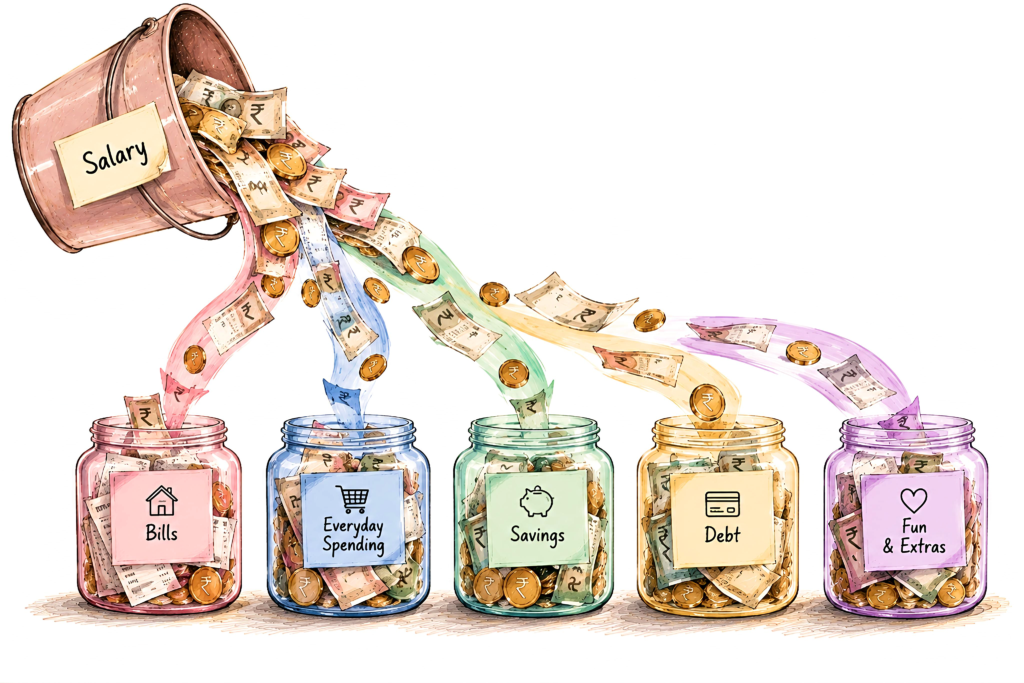
A cash-flow budget can help because it looks at when money comes in and when expenses actually leave your account, rather than treating the month as one big number.
Try giving your money jobs when you receive it: bills, everyday spending, savings, debt, and a small amount for things you simply enjoy.
What If My Income Is the Problem?
This is important: not every money problem can be solved by cutting coffee.
If your essential expenses already consume most of your income, you may not have a spending problem. You may have an income-versus-cost problem. In that situation, cutting a few small purchases might help temporarily, but the bigger conversation is about increasing income, reducing major fixed costs, restructuring debt where possible, or finding a sustainable combination of changes.
For the next month, pay attention to the things you keep buying, the expenses that surprise you, and the moments when you spend because you’re tired, stressed, bored, or simply don’t want to think about it.
You may find that the problem isn’t one terrible financial decision. It’s a dozen small habits, a few expensive commitments, or simply an income that isn’t leaving you enough room. And once you can finally see the pattern, your bank balance stops feeling like a mystery.
You may not need to completely change the way you live. You may just need to finally understand where your money has been going.