I posted a picture I actually liked, and then I started checking the likes. Again and again. At first I thought maybe people hadn’t seen it yet. Then I noticed how few people had interacted with it, and suddenly I felt embarrassed. I started wondering whether the picture was boring, whether I looked bad, or whether people had seen it and simply didn’t care.
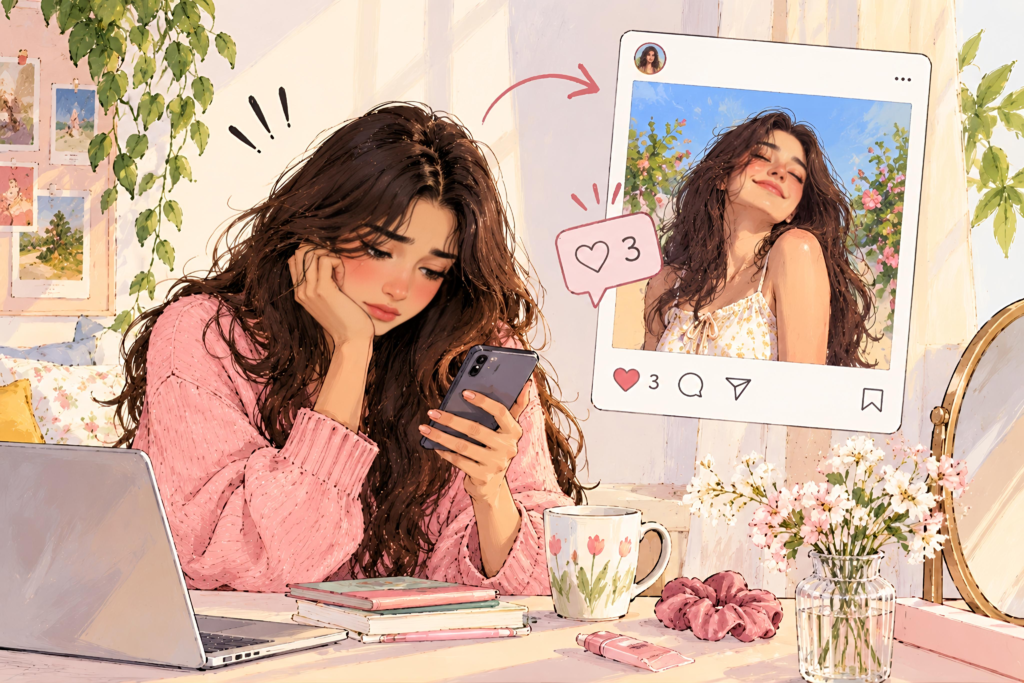
It is strange how quickly a number can change the way you feel about something you liked five minutes earlier.
You may know that Instagram likes don’t measure your attractiveness, personality, friendships, or worth. Yet when your post gets less attention than you expected, it can still feel personal.
Social media makes popularity visible, so comparison becomes incredibly easy. Social comparison and seeking online status is usually linked with lower self-esteem and other negative emotional outcomes.
What Am I Actually Embarrassed About?
Usually, the embarrassment isn’t really about the number itself.
It may be about the story you’re creating around that number.
“Everyone else gets more likes.”
“Maybe nobody liked the picture.”
“People saw it and chose not to like it.”
The problem is that Instagram gives you the number, but not the explanation. A post can receive little engagement for countless reasons: timing, how many people saw it, what appeared in their feed, whether they were active, or simply whether they felt like interacting.
A low number doesn’t automatically mean people disliked you or your post.
Why Does It Feel Like Everyone Is Watching?
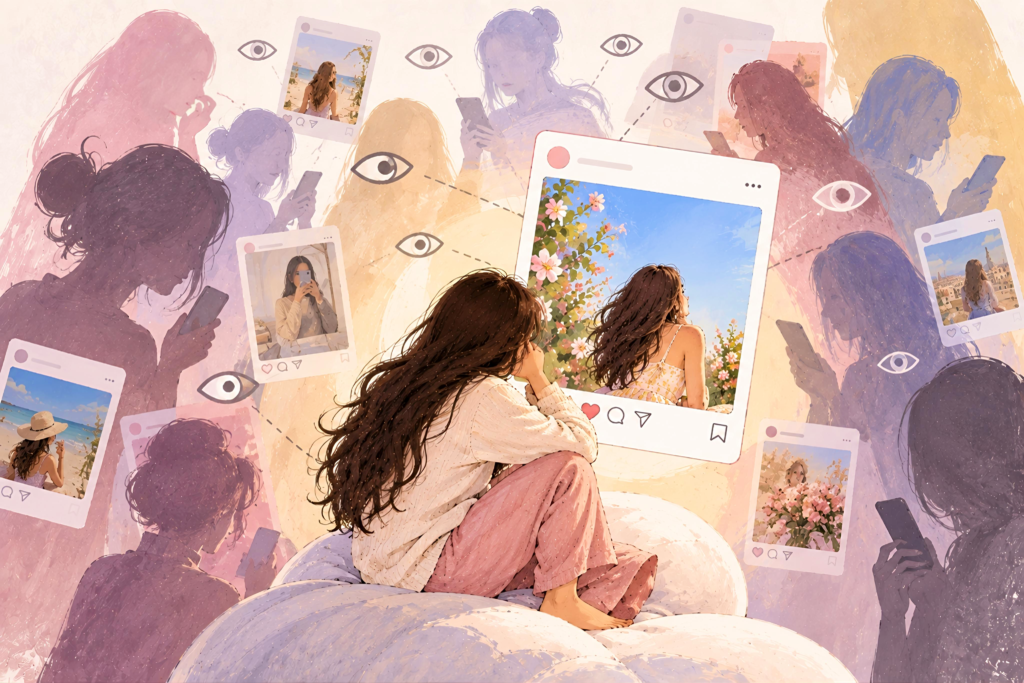
Posting something publicly can make you feel exposed.
Before you post, the picture belongs to you. Once it’s online, other people’s reactions become visible, and suddenly you’re imagining what everyone thinks. That can turn posting into a performance.
You aren’t simply sharing a photo anymore. You’re waiting to find out whether other people approve of it.
Instagram can intensify this because you’re constantly seeing other people’s carefully selected moments too.
Comparing your ordinary post with someone else’s highly curated feed can make your own life feel less interesting than it actually is.
Should I Delete the Post?
Before deleting it, wait.
Give yourself a few hours or even a day without checking the numbers.
Then ask a much more useful question: Would I still like this picture if Instagram showed me no likes at all?
If the answer is yes, there may be no reason to remove it.
Deleting a post you genuinely like because it didn’t receive enough attention can teach your brain that low engagement means something is wrong. Keeping it can help separate your enjoyment of the post from other people’s reactions.
That doesn’t mean you have to keep every post forever. Just don’t make the decision while you’re embarrassed.
How Do I Stop Checking the Likes?
Make checking harder. Turn off notifications if they make you repeatedly reach for your phone. After posting, decide when you’ll look again instead of checking every few minutes.
More importantly, notice what happens emotionally.
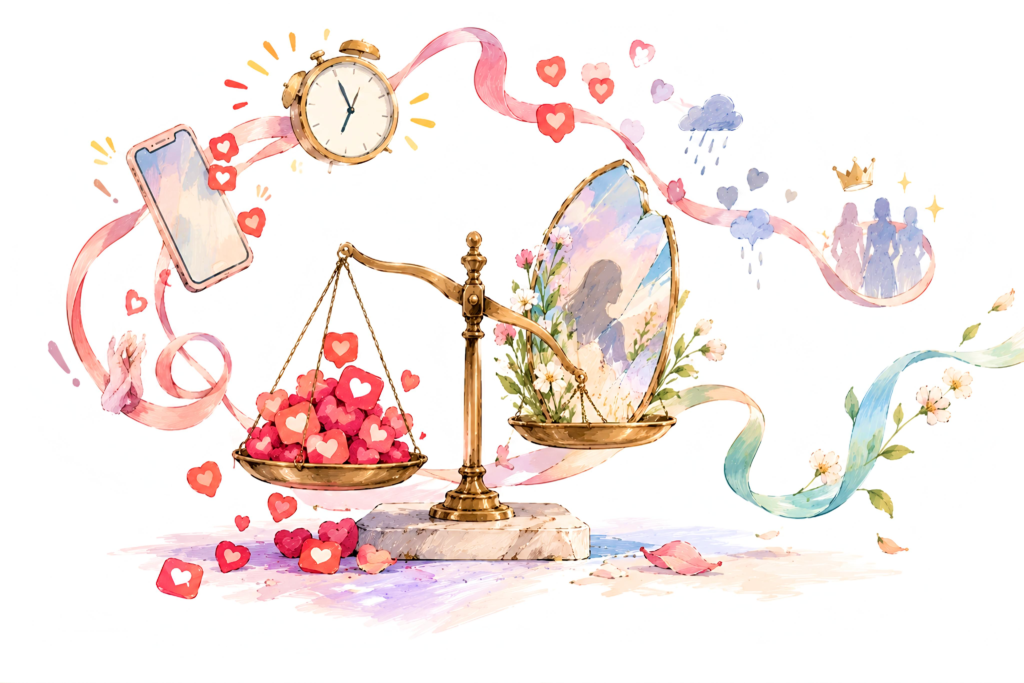
Do you feel excited when people like your post, then disappointed when they stop? Do you compare your numbers with friends? Do you feel tempted to post again because the first one didn’t perform well?
That pattern matters more than any individual post.
The goal isn’t to stop caring about social media completely. It’s to stop letting every tiny response determine how you feel about yourself.
What If I Still Want People to Like My Posts?
That’s completely human.
Wanting your friends to notice something you shared isn’t a character flaw. Likes can feel like small signs of connection, attention, and belonging.
The healthier shift is to stop asking likes to answer bigger questions.
A post getting 20 likes doesn’t mean you’re less attractive than someone who gets 200. It doesn’t tell you how loved you are, how interesting you are, or how important you are to your friends.
Let Instagram tell you how a post performed. Don’t let it tell you how you performed as a person.