I can ignore someone looking at me once or twice. But when a man keeps staring, I become painfully aware of myself. I start wondering whether I should look back, move away, pretend I haven’t noticed, or leave altogether. I don’t want to overreact, but I also don’t want to sit there feeling uncomfortable just because I can’t prove that his staring means anything.

This is one of those situations where there isn’t always a clear line between “annoying” and “unsafe.”
Someone looking at you doesn’t automatically mean they intend to harm you. But repeated staring can still make you uncomfortable, and you don’t need to figure out someone’s intentions before deciding to create some distance.
You Don’t Have to Do Anything Just Because He Is Staring
Your first option can simply be ignoring him.
Keep doing what you were doing. Look at your phone, continue your conversation, finish your coffee, wait for your bus. You don’t have to smile, make eye contact, or acknowledge him.
At the same time, you don’t have to sit there pretending you’re completely comfortable.
If you want to move seats or stand somewhere else, do it. You are not required to stay in one place to prove that you’re confident.
Look at the Pattern, Not Just the Stare
Instead of spending ten minutes wondering Why is he looking at me?, pay attention to what happens next.
Does he eventually look away and carry on?
Does he keep watching whenever you look up?
Does he move closer?
Does he appear again when you change locations?

That information is more useful than trying to guess whether he finds you attractive, is being rude, or has some other reason for staring.
A single look tells you very little. Repeated behavior gives you more information.
Create Distance Without Making It a Big Scene
You can often make yourself more comfortable without confronting the person at all.
Move closer to a group. Sit near other women or families. Stand near staff or security. If you’re on public transport, change seats or move toward a busier section. If you’re walking, enter a busy shop or public building for a moment.
These aren’t signs that you’ve “lost” some confrontation. They’re practical choices that give you more people, more visibility, and more options.
Police guidance on harassment recommends trusting your instincts, staying connected with people you trust, and moving toward a place of safety if you think someone is following you.
Take It More Seriously When His Behavior Escalates
Staring by itself is different from staring combined with other behavior.
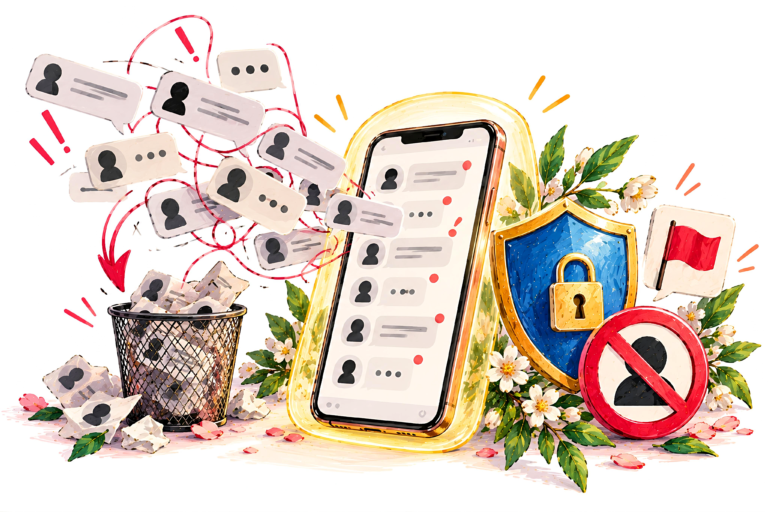
Be more cautious if he starts following you, repeatedly positions himself near you, blocks your path, waits for you, tries to get you alone, approaches after you’ve moved away, or continues unwanted contact.
At that point, stop worrying about whether you are being rude.

Get around other people. If you’re walking home and think someone is following you, don’t lead them directly to your home. Go somewhere populated and contact someone you trust. If you feel in immediate danger, contact your local emergency services.
If the behavior happens repeatedly, writing down dates, locations and what happened can also help establish a pattern if you later decide to report it.
You Don’t Have to Prove That You’re in Danger
Women often start questioning themselves before they question the situation.
Maybe he’s just looking. Maybe I’m being dramatic. What if I move and everyone notices?
You don’t need an answer to any of those questions.
You can acknowledge that you don’t know what he intends and decide that you don’t want to be around him. That’s not paranoia. It’s a reasonable boundary.
You also don’t have to confront him just because other women online say they stare back. It might’ve worked with some but it might even make the situation worse. There is no universal response, and your safety matters more than proving a point.
You don’t have to wait until someone touches you, follows you, or says something threatening before taking your discomfort seriously. Move if you want to move. Stay near people. Pay attention to changes in his behavior. And if the situation starts escalating, treat it as a safety problem not a politeness problem.