I handed my phone to someone for a completely ordinary reason, and later I started wondering whether they had looked through it. Maybe they opened my messages. Maybe they checked my photos or went through an app. I don’t even know for sure. Now I’m wondering something that feels surprisingly difficult to answer: if someone gets access to my phone, does that mean they’re legally allowed to look through everything on it?

Having physical access to someone’s phone and having permission to access the information inside it are not necessarily the same thing.
Your phone can contain private conversations, photographs, financial information, location history, health information, passwords, work documents and years of personal memories. Handing someone your phone for one reason doesn’t automatically mean you’ve given them permission to explore everything else.
Borrowing Your Phone Doesn’t Mean They Can Explore It
Imagine you give someone your phone so they can make a call.
That permission has a purpose.
It doesn’t automatically extend to opening your messages, checking your gallery or reading private conversations. The same basic idea applies when someone knows your passcode or happens to find your unlocked phone.
The exact legal consequences vary by country and by what the person actually did, but unauthorized access to computer or communication resources can be an offense in some jurisdictions.
What If They Know My Password?

This is where things can get confusing. Maybe you once gave your partner your passcode. Maybe your sibling saw it while you were unlocking the phone. Maybe a friend knows it because you trusted them.
Knowing a password doesn’t necessarily mean someone has unlimited permission to use it.
Consent matters, and consent can have limits. Giving someone access at one point also doesn’t necessarily mean you’ve agreed to everything they might do later.
If you told someone they could use your phone to call someone, that’s very different from giving them permission to read your private messages.
What If It’s My Partner?
Being married, dating, living together, or being close to someone doesn’t automatically erase personal privacy.
Relationships can have different arrangements. Some couples share passwords willingly. Others keep their devices completely private. Neither arrangement automatically gives a partner unlimited authority over the other person’s accounts or device.
The important distinction is consensual access versus access taken without permission.
If a partner secretly installs monitoring software, accesses accounts, copies private information, or repeatedly checks your device after you’ve made it clear that you don’t consent, the situation can become much more serious.
Depending on the circumstances and local law, unauthorized access or monitoring may have legal consequences.
What If Someone Is Actually Spying on My Phone?
Don’t immediately assume that every strange notification or battery problem means someone has hacked your phone.
But if you have a concrete reason to suspect unauthorized access, take it seriously.
Change your phone passcode and important account passwords from a device you trust. Turn on two-factor authentication. Review logged-in devices and account sessions. Remove unfamiliar apps or profiles, and keep your phone’s operating system updated.
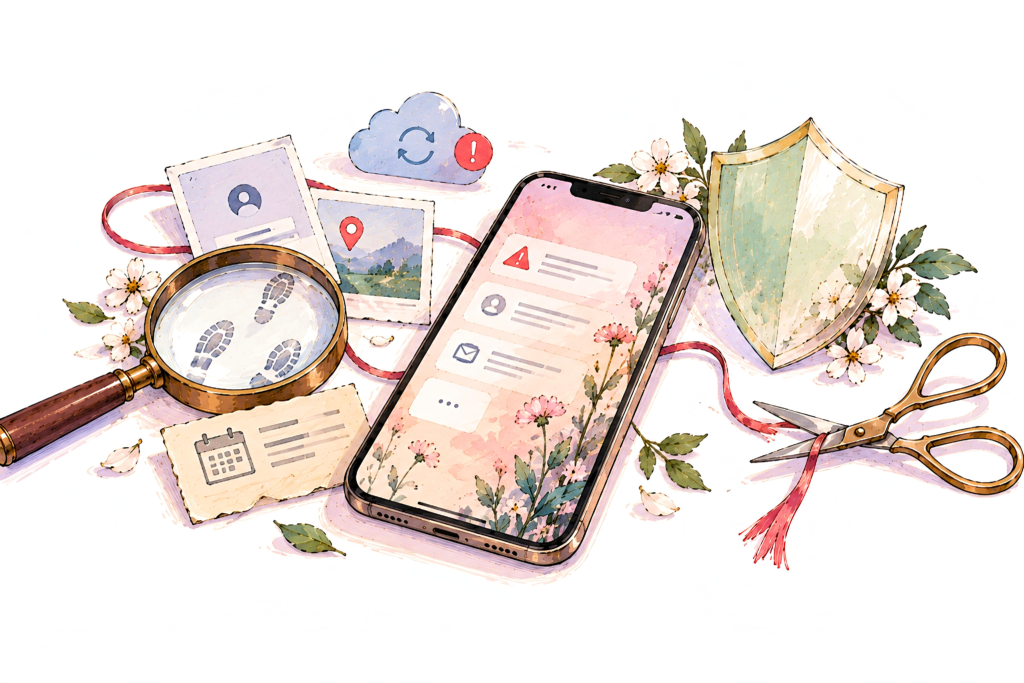
If you believe someone has accessed private information without permission, keep relevant evidence rather than deleting everything immediately.
Screenshots, login alerts, messages and dates can become useful if you later report the situation.
Does the Law Give Me an Absolute Right to Privacy?
Privacy laws aren’t identical everywhere. Some countries have specific computer-access offenses. Others regulate interception, surveillance, personal information or unauthorized access through several different laws.
Law enforcement may also have powers to access or monitor information under specific legal procedures and authorizations. So the answer isn’t simply “nobody can ever access your phone.”
A person acting without permission is very different from an authorized investigation carried out under applicable law.
Your phone isn’t automatically an open book just because someone can physically unlock it. If you suspect someone has accessed it without your permission, the most important questions are what they accessed, how they gained access, what they did with the information, and what laws apply where you live.