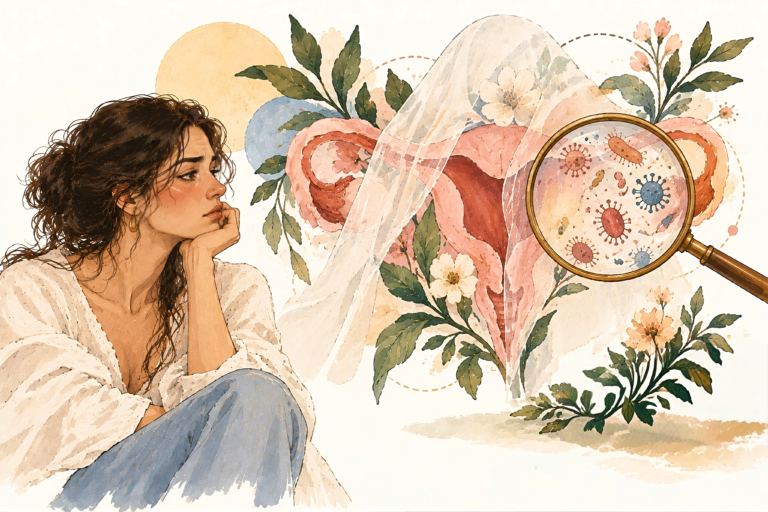
I notice it. My period ends, I shower, and everything seems normal. Then a day or two later, I notice that my vagina smells different. Sometimes it is slightly metallic, sometimes just stronger than usual, and sometimes I wonder whether something is wrong or whether this is simply another strange thing my body does.

Your vagina does not have to smell like nothing. Its natural scent can change throughout your menstrual cycle.
After your period, blood, hormones, vaginal bacteria and changes in vaginal pH can all affect what you notice. A temporary difference in smell does not automatically mean you have an infection.
Your Period Can Change the Smell
Period blood can have a metallic smell because it contains iron. Even after bleeding has mostly stopped, a small amount of blood or brown discharge can remain and mix with your normal vaginal fluids.
That can make your usual scent seem different for a few days.
Your vaginal pH also changes during your cycle. Menstrual blood is less acidic than the normal vaginal environment, so the presence of blood can temporarily shift that balance. As your cycle moves on, things usually settle back toward your normal baseline.
“Different” Doesn’t Always Mean “Bad”
There is a big difference between noticing a new scent and having a genuinely unpleasant odor.
Maybe you notice that you smell slightly stronger after your period. Maybe the scent is earthy, sour, or faintly metallic. If you have no itching, burning, unusual discharge or pain, a short-lived change may simply be part of your cycle.
The problem comes when you start trying to scrub the smell away.
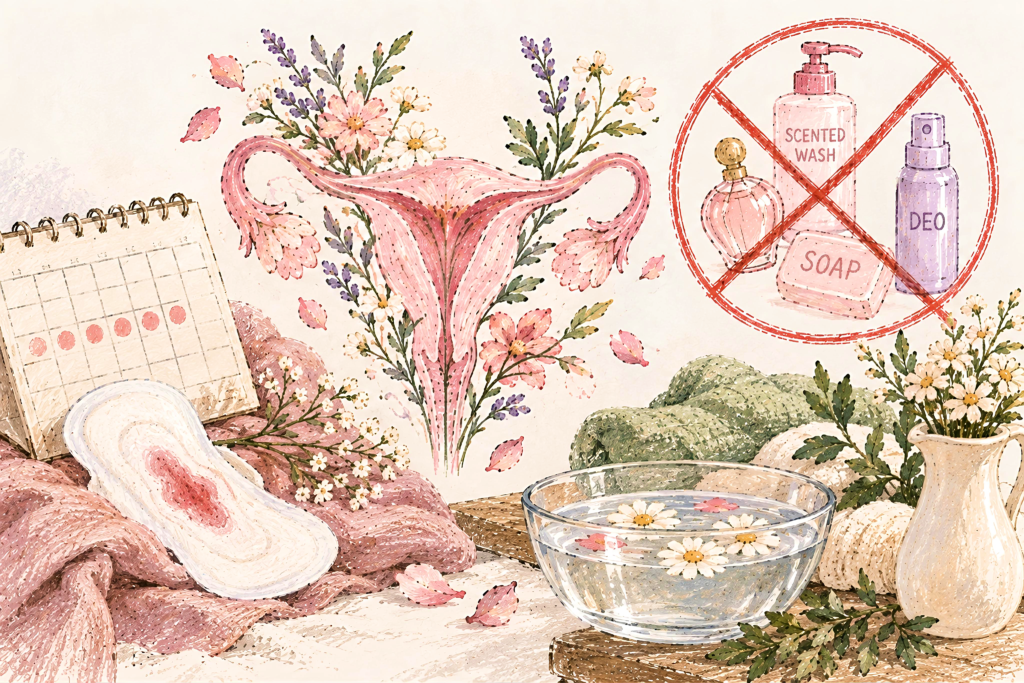
Your vagina cleans itself. Washing the outside gently is enough. Putting soap, perfume, vaginal deodorant or other scented products inside can irritate the area and interfere with its natural bacterial balance.
When the Smell Is More Than a Period Thing
A strong fishy smell deserves more attention, especially if it comes with thin gray or white discharge. That combination can happen with bacterial vaginosis, which occurs when the balance of bacteria in the vagina changes.
Other infections can also cause unusual smells, particularly when there is yellow or green discharge, itching, burning, pain during sex or discomfort when urinating.
You don’t need to diagnose yourself from the smell alone. Several conditions can produce similar symptoms, and some infections cause few symptoms at all.
Pay Attention to What Happens Every Month
If this happens briefly after every period and then disappears, it may simply be your normal cycle pattern.
It can help to notice when the smell starts, how long it lasts, whether your discharge changes, and whether you have any irritation or pain. You might also notice whether certain menstrual products seem to make the difference more noticeable.
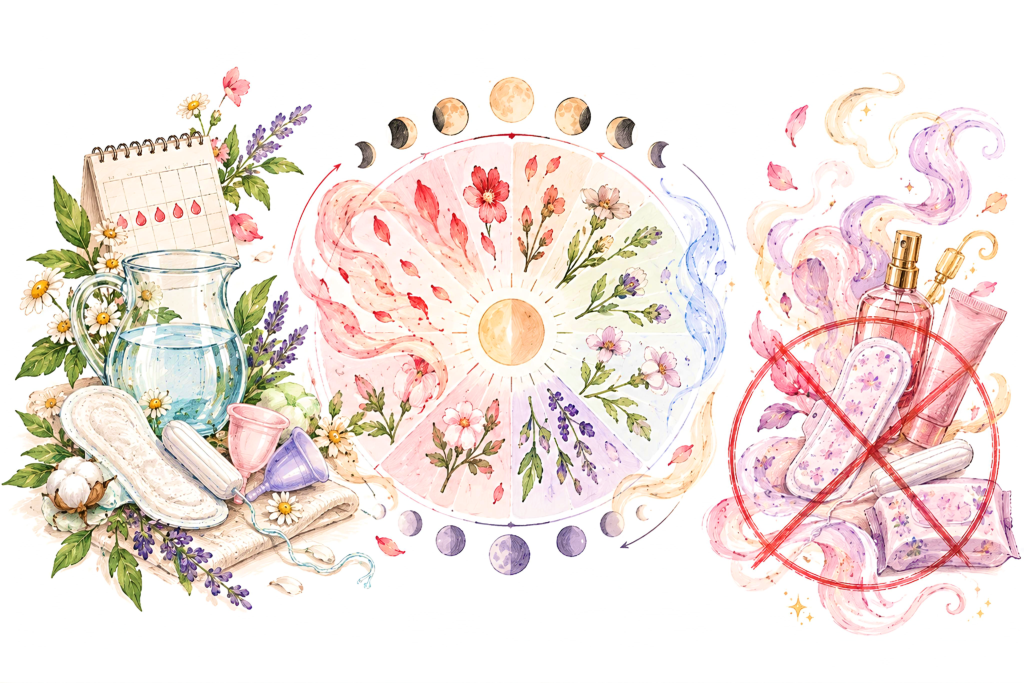
Scented pads, tampons and other fragranced products can irritate some people and may affect the vaginal environment. Unscented products are generally a simpler choice if you’ve noticed a connection.
You Don’t Need to Make Your Vagina Smell Like Nothing
A healthy vagina is not supposed to be completely odorless. What matters is knowing what is normal for you and noticing when something genuinely changes.
If the odor becomes strong or persistent, or you develop unusual discharge, itching, burning, pelvic pain, pain when peeing, or other new symptoms, it’s worth seeing a healthcare professional rather than trying random products at home.
And if you’ve simply noticed a slightly different smell for a day or two after your period?
That alone doesn’t mean you’re dirty, unhygienic, or doing anything wrong. Sometimes your body is just moving through another part of its cycle.