
“Sometimes I pray, sometimes I don’t. There are certain traditions I respect, but I don’t feel the need to follow all of them. Does that make me less religious?”

It can be surprisingly difficult when your personal relationship with faith doesn’t look exactly like the one you grew up around.
Maybe your family follows particular rituals or observes traditions that have been passed down for generations.
You might respect all of it without wanting to do every single thing yourself. And that can leave you wondering whether you’re doing something wrong.
Believing and Practising Aren’t Always the Same Thing
Religion can mean different things to different people.
For one person, faith may be closely connected to prayer and rituals. For another, it may be more about belief in God, personal values, gratitude, or how they try to treat other people.
Even within the same religion, people don’t necessarily practise their faith in exactly the same way. So your relationship with God doesn’t necessarily have to look identical to your family’s.
Why Does My Family Take It Personally?
Because for many families, religion isn’t only about belief. It can be connected to childhood memories, festivals, family gatherings, elders, community and traditions that have been followed for decades.
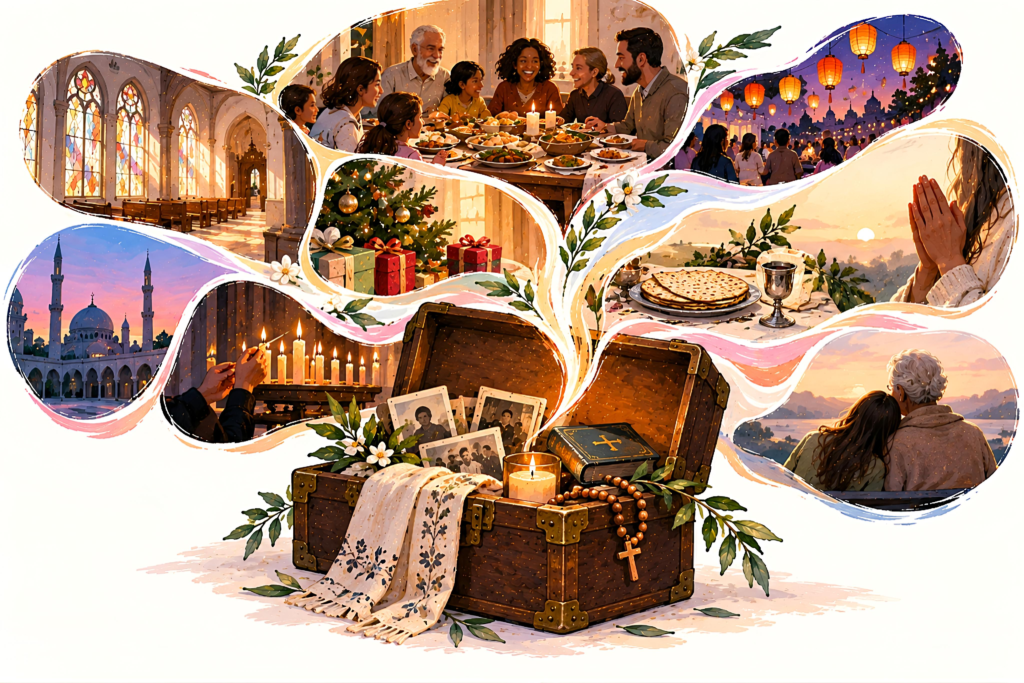
Religious traditions are often passed down primarily within families, and religious ceremonies can be closely connected to important family milestones.
So when you say, “I don’t want to do this particular thing”, a family member may hear something much bigger: She’s rejecting what we taught her.
That doesn’t necessarily mean you are rejecting them. It may simply mean you’re figuring out what faith means to you as an adult.
You Don’t Have to Fake Belief to Keep Everyone Happy
There’s a difference between participating in a family tradition because you genuinely want to and doing it because you’re afraid everyone will be upset if you don’t.
People often face this exact tension—loving their families while feeling pressured to perform a level of religious practice that doesn’t match what they personally believe.
If you occasionally participate because something matters to your family, that’s your choice too. But you shouldn’t have to constantly pretend that every ritual means the same thing to you that it means to them.
Faith that is meaningful to you doesn’t become more genuine just because you perform more rituals.
You Can Respect Their Faith Without Copying It
You don’t have to turn every disagreement into an argument about religion. Your family can have their practices. You can have yours. You can attend something because it’s important to your grandmother without deciding that you now have to follow every practice forever.

You can also decline something respectfully without insulting the tradition itself.
The goal doesn’t have to be convincing everyone that your way is right. Sometimes it’s simply accepting that different people can have different relationships with the same faith.
Give Yourself Permission to Figure It Out
You don’t have to decide exactly how religious you are for the rest of your life.
Maybe your relationship with God becomes stronger over time. Maybe you become more interested in certain traditions. Maybe you continue believing but don’t become particularly religious.
You are allowed to figure that out.
And if your family doesn’t immediately understand, that can be difficult. You may need to choose which conversations are worth having and which aren’t, especially if disagreement could create serious conflict at home.
But don’t automatically assume that questioning a tradition means you’re disrespecting your family or losing your faith.
You can love your family, respect their traditions, believe in God, and still decide that not every religious practice feels right for you.