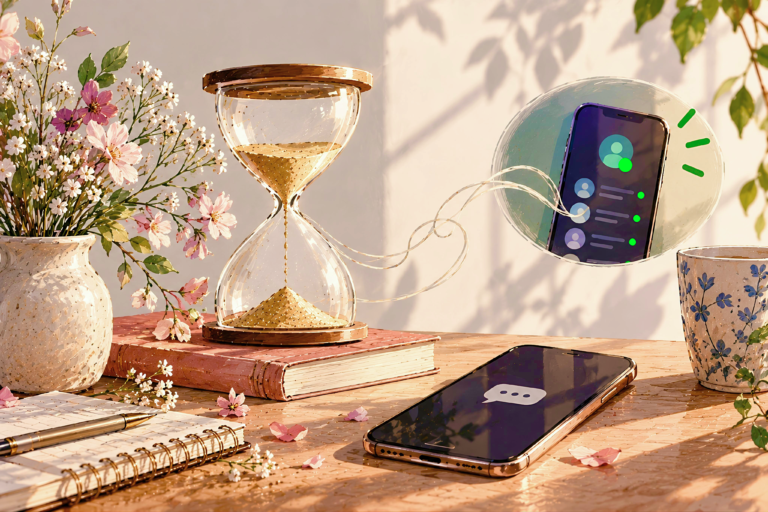
“I used to get excited about the smallest things. I would wait all week for a movie, get dressed because I had plans with a friend, or feel genuinely happy when something I wanted finally arrived. Now those same things happen and I just… don’t feel much. I still do them, but the excitement isn’t there anymore.”
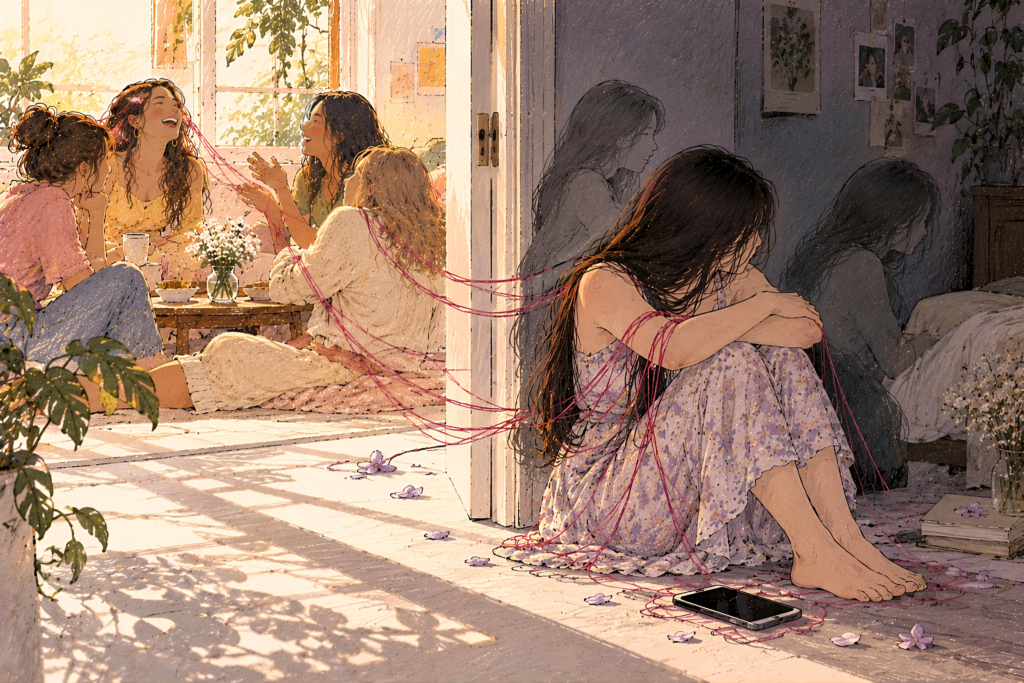
You might notice it when you open a show you’ve been meaning to watch and close it after ten minutes. A friend makes plans and, instead of feeling excited, you feel indifferent. Something you’ve wanted for months finally happens, and your reaction is strangely flat.
Nothing is necessarily wrong in that exact moment. That’s what makes it so confusing. You remember enjoying these things before, so you start wondering whether you’ve changed—or whether something is wrong with you.
Did I Actually Stop Loving These Things?
Not necessarily.
Sometimes you haven’t stopped loving something. You’re just too tired, distracted, or emotionally drained to enjoy it properly.
Think about how different a hobby feels when you’re rested compared with when you’ve spent the whole day worrying about work, money, family, studies, or your relationship. The activity hasn’t changed. You have less emotional space for it.
So don’t immediately decide that you’ve “outgrown” everything you used to enjoy.
Could I Just Be Mentally Exhausted?

There is a difference between being bored and being worn out.
When your days become a cycle of responsibilities, deadlines, chores, studying, working, scrolling, sleeping, and doing it all again, even fun things can start feeling like effort.
You might have a free evening and think, I should watch something. Then you spend an hour scrolling because choosing something feels like work too.
Instead of forcing yourself to have fun, try making things easier. Watch one episode instead of starting a whole series. Go outside for fifteen minutes. Listen to music while doing nothing else.
You don’t have to turn relaxation into another task to complete.
What If I Don’t Enjoy Almost Anything Anymore?
This is worth paying attention to. If you’ve noticed that it’s not just one hobby but almost everything that used to make you happy, take a closer look at how you’ve been feeling generally.
Are you more tired than usual? Sleeping differently? Avoiding people? Finding it difficult to concentrate? Feeling numb, low, hopeless, or disconnected?
A persistent loss of interest or pleasure can be a symptom of depression, although it can also happen for other reasons. You don’t need to diagnose yourself based on one symptom.
You just shouldn’t automatically call yourself lazy when something has clearly changed.
Do I Need to Become the Old Me Again?

Maybe not.
You aren’t supposed to have exactly the same interests forever.
The things that made you ridiculously happy a few years ago may not mean as much now. That’s normal. You may have changed, and that’s not necessarily a bad thing.
Instead of asking, “Why don’t I enjoy what I used to?” try asking, “What am I interested in now?”
Maybe the answer is something completely different. Maybe you want to learn something, travel, exercise, create something, meet new people, or simply have more quiet time. You don’t have to resurrect an old version of yourself to feel alive again.
When Should I Take It Seriously?
If this flat feeling has lasted for weeks, is getting worse, or is affecting your relationships, work, studies, sleep, or everyday life, it’s worth talking to a doctor or mental-health professional.
You don’t have to wait until everything falls apart.
And you don’t need to force yourself to be grateful because “nothing is technically wrong.” Feeling disconnected from things you once loved can be difficult even when you can’t explain why.
Maybe you haven’t lost the ability to enjoy life. Maybe you’re tired. Maybe you’ve changed. Maybe something underneath the surface needs attention. You don’t have to figure it all out today. Start by noticing what feels different, and give yourself permission to take that change seriously.