“It’s been years since they died, so why does it still hurt sometimes? I can go weeks or months feeling completely fine, and then a song, a smell, a date, or something completely ordinary suddenly brings everything back. I know they’re gone. I’ve built a life without them. So why do I still feel this sadness?”

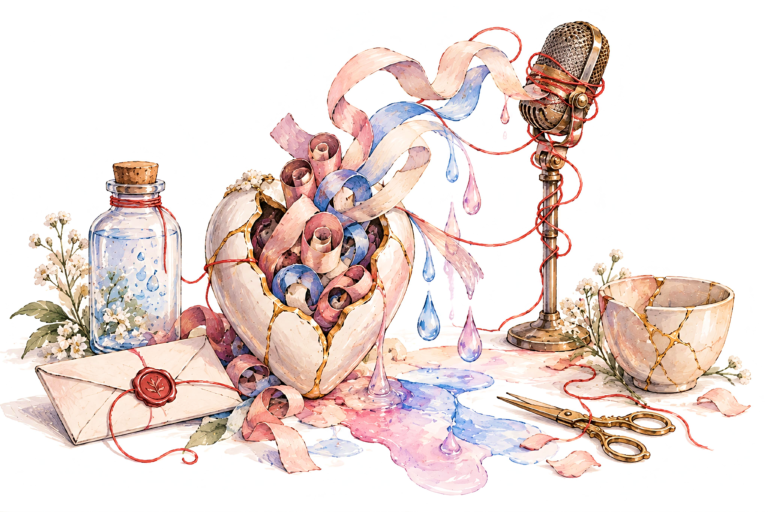
People often imagine grief as something with an ending. You cry, you cope, time passes, and eventually you are supposed to feel normal again. But grief doesn’t really work like a countdown. You can be functioning well and still miss someone deeply.
Research and real experiences both show that grief can return in waves, sometimes years later. A reminder can bring back an intense feeling without meaning that you have gone backwards. The relationship mattered, and your memories of that person don’t have an expiration date.
And some days, that difference is simply harder to notice.
Grief Doesn’t Have a Deadline
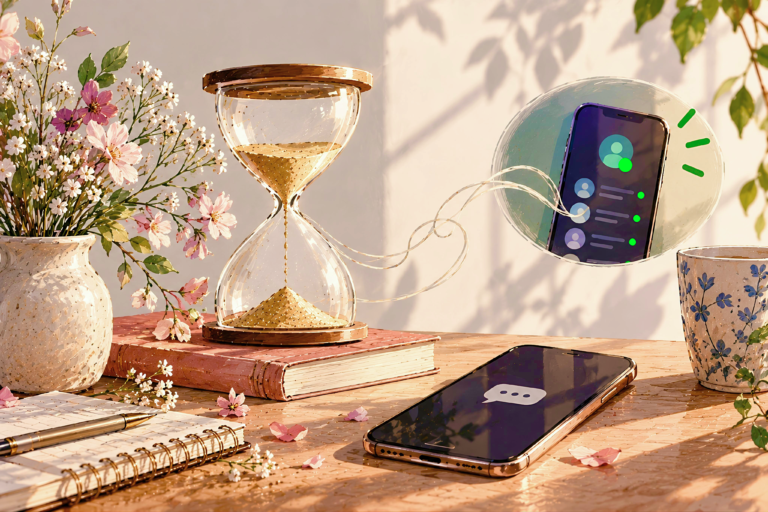
There isn’t one correct amount of time you are allowed to grieve. Some people feel more stable within months, others continue to have painful moments for years.
What matters is not simply how much time has passed, but how the grief is affecting your life.
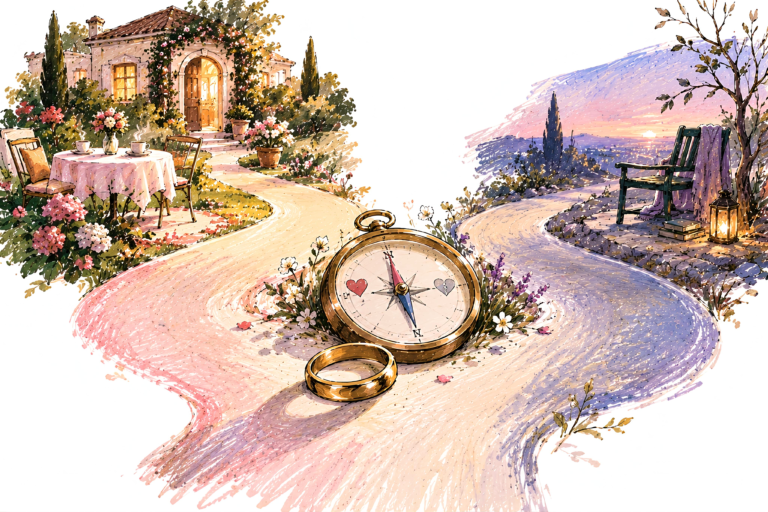
You can laugh again, make plans, fall in love, celebrate birthdays, and still miss the person who died. Feeling happy doesn’t cancel your grief, just as grieving doesn’t mean you are failing to live.
Why Does It Suddenly Come Back?

Grief can be triggered by things you don’t consciously expect. A familiar food, a place you visited together, someone’s voice, a festival, a birthday, or even reaching an age they never reached can suddenly make their absence feel real again.
These moments can feel surprisingly intense because the loss isn’t happening again. You’re experiencing the memory of the loss from a different point in your life.
Years later, you may understand what happened differently than you did immediately after the death.
Sometimes You’re Grieving More Than the Person
You may also be grieving the future you imagined with them. You might wish they had seen your graduation, met your partner, watched you become a parent, or simply been there for ordinary things.
As your life changes, you discover new moments they will never be part of. That can create fresh sadness even when the original loss happened years ago.
It doesn’t mean you haven’t accepted the death. It means the meaning of their absence can keep changing.
When Should I Take My Grief Seriously?

Feeling sad years later isn’t automatically a sign that something is wrong. But if your grief remains intensely distressing, makes it difficult to function, keeps you unable to accept the death, or leaves you unable to participate in everyday life, it may be worth talking to a mental health professional.
Prolonged grief disorder can involve persistent yearning, difficulty accepting the death, and significant interference with daily life. You don’t need to wait until you’re completely falling apart before asking for support.
What Does Healing Actually Look Like?
Healing may not mean reaching a point where you never cry about them again. It can mean remembering them without being completely overwhelmed, allowing yourself to enjoy life without guilt, and carrying the relationship differently.
You don’t have to choose between remembering someone and moving forward. Both can exist together.
Maybe the goal isn’t to stop grieving. Maybe it’s to learn how to carry the love, the memories, and the absence without letting the loss take your whole life with it.
k