“I want to have sex. I’m attracted to my partner, I feel emotionally comfortable with them, and I genuinely want to be intimate. But when penetration starts, it hurts. Sometimes it burns at the entrance, sometimes it feels like pressure or a deep ache. I end up wondering why my body isn’t cooperating when my mind is completely willing.”

Wanting sex and experiencing pain are not contradictory. You can be mentally ready for intimacy while your body needs time or medical attention. Desire does not guarantee that your body will be physically comfortable with penetration.
Painful sex, sometimes called Dyspareunia, can have several causes, and it is not something you should simply learn to tolerate.
Could I Be Aroused but Still Not Lubricated Enough?
You can want sex and still not have enough natural lubrication.
Stress, hormones, medications, breastfeeding, menopause, or simply moving to penetration too quickly can contribute to dryness. Friction can then cause burning, soreness, or small areas of irritation.
Taking more time with arousal and using a suitable lubricant can help.
If dryness happens frequently, however, it is worth discussing with a healthcare professional rather than assuming you just need to “relax.”
Why Does My Body Tighten When I Want to Relax?
Sometimes the pelvic floor muscles tighten involuntarily during attempted penetration. This can happen even when you consciously want sex and feel safe with your partner.
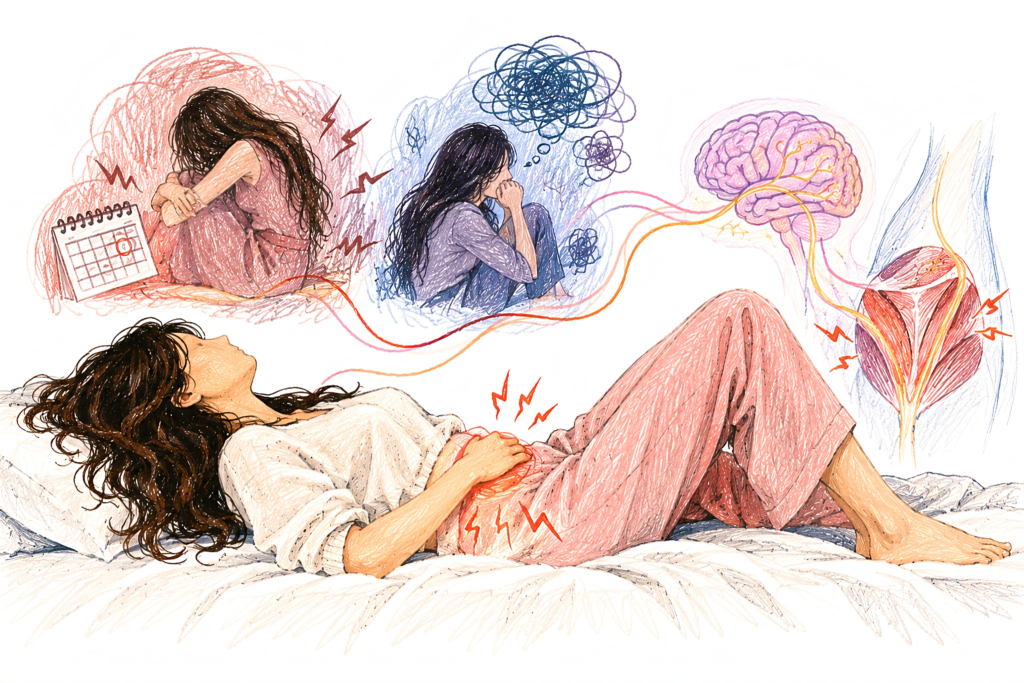
Vaginismus is one condition involving involuntary tightening around the vagina.
Previous painful experiences, anxiety about pain, or certain medical conditions can contribute, but you do not have to be consciously afraid for the muscles to react.
This can create a frustrating cycle: penetration hurts, your body anticipates that pain, the muscles tighten, and penetration becomes even more uncomfortable.
Could There Be a Medical Reason for the Pain?
Painful sex can sometimes be linked to infections, skin irritation, urinary or pelvic problems, endometriosis, fibroids, or other gynecological conditions. The location and type of pain can provide useful clues.
Pain at the entrance may feel different from deep pelvic pain. Burning, itching, unusual discharge, bleeding, pain when urinating, or pelvic pain can point toward problems that need medical assessment.
If sex has suddenly become painful after previously being comfortable, don’t assume it is psychological. A physical cause is worth checking.
What Should I Do If Sex Starts Hurting?
You do not have to push through the pain to finish. Stop or change what you’re doing when something hurts.
Penetration is not the only way to be intimate, and taking a break does not mean you have failed.
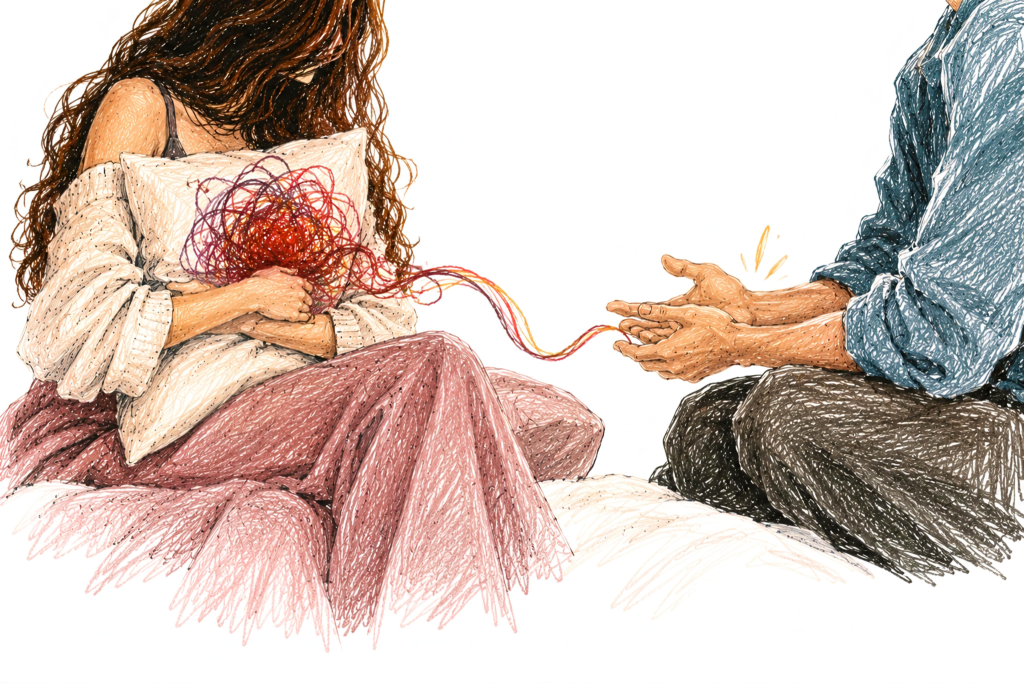
Tell your partner what feels uncomfortable instead of pretending everything is fine. You can slow down, use more lubrication, spend longer on activities that feel comfortable, or avoid penetration until the cause of the pain is understood.
Repeatedly forcing yourself through pain can make you more anxious about future attempts.
When Should I See a Doctor?
If painful sex keeps happening, is getting worse, or is affecting your relationship or willingness to have sex, make an appointment with a gynecologist or other appropriate healthcare professional.
Pain during sex is common enough for clinicians to be familiar with, and treatments depend on the cause.
Seek urgent medical care if severe pelvic pain occurs with fainting, dizziness, heavy vaginal bleeding, fever, vomiting, difficulty breathing, or if you may be pregnant.
Wanting sex does not mean you have to accept pain. Your desire is real, and so is your pain. Both deserve to be taken seriously and the right cause can often be treated.