I shower every day, use body wash, wear clean clothes, and put on deodorant, but somehow I still notice a bad smell coming from my body. Sometimes I can smell it just a few hours after showering, and it makes me wonder if other people can smell it too. I don’t understand what I’m doing wrong.

If you shower every day, wear clean clothes, and still notice an unpleasant smell coming from your body, the first thing to stop doing is blaming your hygiene. Body odor is not simply a sign that someone is “dirty.”
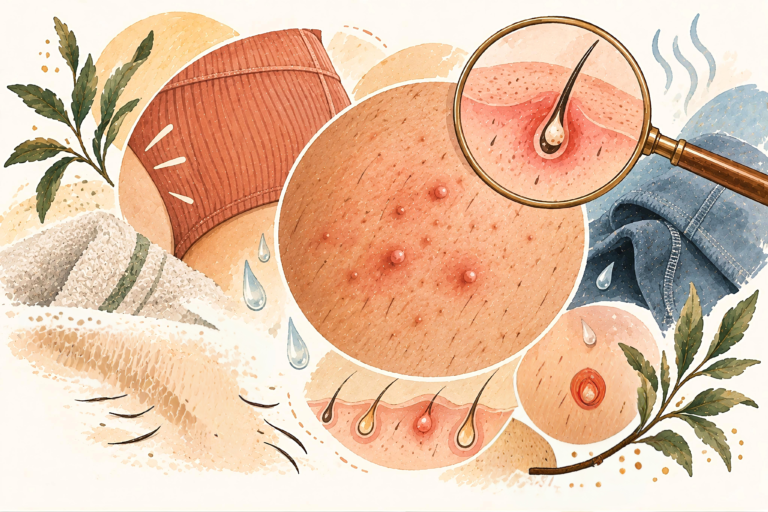
Sweat itself usually has very little smell. Odor develops when sweat interacts with bacteria on your skin. Areas such as the underarms and groin are especially prone to stronger odor because they contain apocrine sweat glands.
The useful question isn’t “Why can’t I stay clean?”
It’s “Where is the odor coming from, and why does it keep returning?”
First, Figure Out Where the Smell Is Coming From
Don’t assume the problem is your entire body.
Check where you actually notice the odor. Is it your underarms, feet, groin, scalp, breath, clothes or shoes?
This matters because the solution depends on the source. If your feet smell but your underarms don’t, changing your underarm deodorant won’t solve the problem.
For a few days, notice when the smell appears, where it starts, and what happens beforehand. Does it happen after exercising? When you’re stressed? After wearing certain clothes? In hot weather?
You’re trying to find a pattern, not spend your entire day worrying about smelling.
Your Shower Might Not Be the Problem
A shower removes sweat, oil and bacteria from your skin, but it doesn’t prevent your body from producing more sweat afterward.

Heat, exercise, stress, anxiety and hormonal changes can all increase sweating. So you can shower in the morning smelling completely fresh and notice body odor again several hours later.
Wash the areas that actually produce odor properly, rinse well, and dry your skin completely before getting dressed.
Scrubbing harder isn’t necessarily better. Excessive scrubbing can irritate your skin without stopping future sweating.
Check Your Clothes, Towels and Shoes
Sometimes the smell isn’t coming entirely from your body.
A shirt, bra, workout top, socks, towel or pair of shoes can hold onto sweat and bacteria. You shower, put the item back on, start sweating again, and suddenly the odor returns.
Wash sweaty clothes promptly and let them dry completely. Change socks regularly and rotate shoes when possible. If certain clothes consistently smell even after washing, pay attention to them rather than assuming your body is the problem.
Try this simple experiment: take a shower, dry yourself completely, put on freshly washed clothes, and see how long it takes for the smell to return.
That can tell you a lot.
Choose Products Based on the Actual Problem

Deodorant and antiperspirant aren’t the same thing.
Deodorant helps control or mask body odor, while antiperspirant reduces sweating. If excessive underarm sweating is contributing to your odor, an antiperspirant may be more useful than simply applying more fragrance.
Apply antiperspirant to completely dry underarm skin. Some people find it works better when applied at night rather than only in the morning.
And don’t keep layering perfume or strongly scented products because you’re worried about smelling. You may simply end up combining several different smells instead of addressing the cause.
When Should I See a Doctor?
Pay attention when your body odor changes significantly or doesn’t make sense.
If you suddenly develop noticeably different body odor, much heavier sweating than usual, persistent unexplained odor, or other symptoms such as fever, night sweats or skin changes, speak with a healthcare professional.
Certain medications, hormonal changes, skin conditions, excessive sweating and other medical conditions can affect sweating and body odor.
You also don’t need to keep buying new products indefinitely if nothing is helping. Sometimes the right next step is figuring out whether there’s an underlying reason for the change.
Treat body odor like a problem you can investigate, not a personal failure. Find the source. Look for the pattern. Change one thing at a time. And if nothing makes sense, get it checked. Your body isn’t embarrassing you, it is giving you information.